Equipment & Quality Control
C. Keller supports fabrication programs with CNC punching, press brake forming, welding, hardware insertion, riveting, drilling, tapping, and quality-control equipment for repeatable production work.
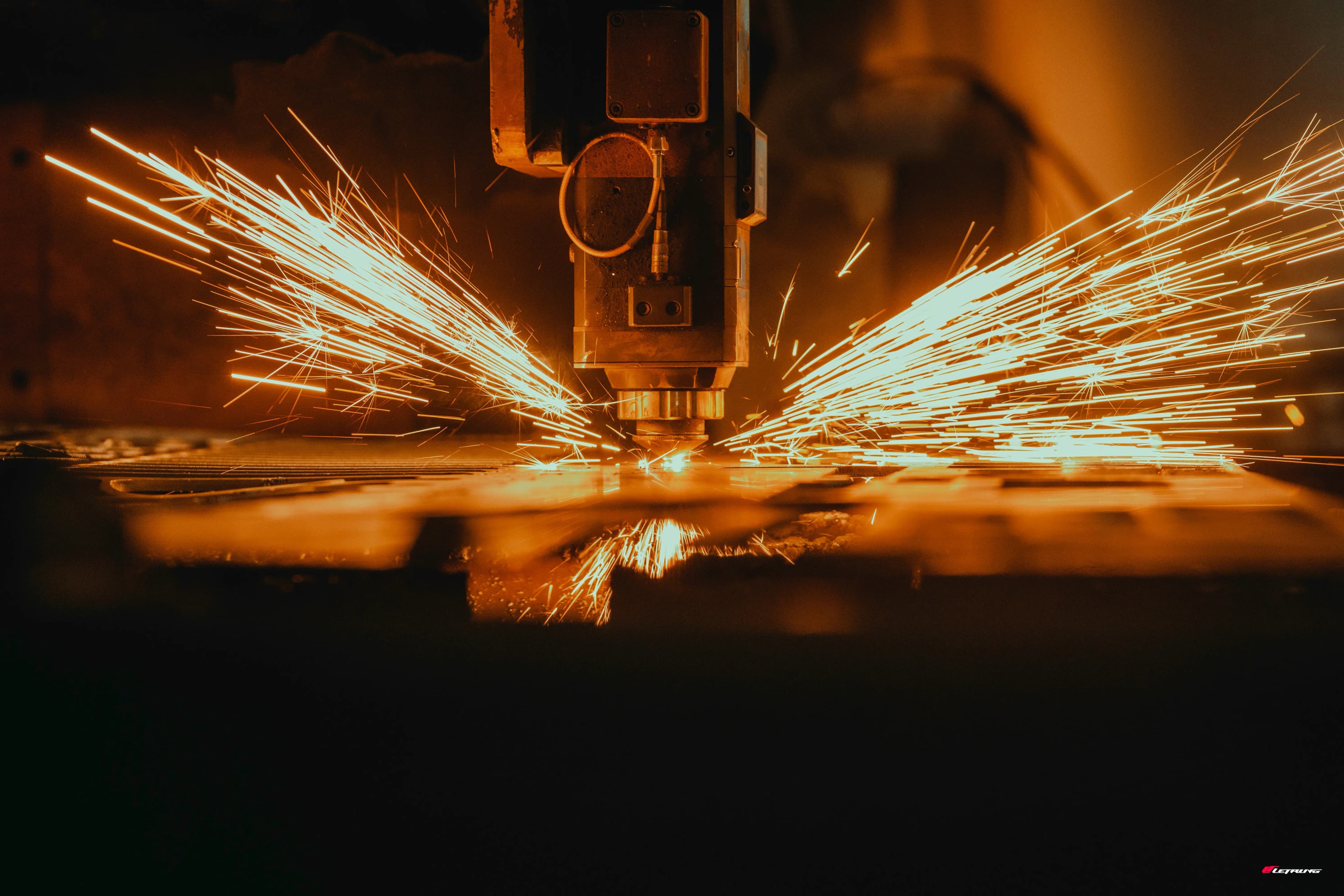
Supports supplier qualification conversations with practical equipment and quality-control context.
Shows the fabrication backbone behind laser cutting, forming, welding, assembly, finishing, and delivery.
Helps buyers and engineers understand how projects move from drawings into controlled production.
How It Works at C. Keller
Every capability is coordinated as part of the larger project. Fabrication, finishing, assembly, and delivery are all handled in-house — so nothing falls through the cracks between vendors.
Services Commonly Paired with Equipment
Call (630) 833-5593 or use the contact page to discuss project requirements, quantities, and timing.
How Equipment Fits a Complete Manufacturing Program
Equipment context includes CNC punching, press brake forming, welding, hardware insertion, riveting, drilling, tapping, and quality-control support. This gives buyers a clearer picture of how C. Keller can move parts from drawings through controlled fabrication.
Quality-control equipment and documented standards help support inspection conversations, supplier qualification, repeatability, and confidence in the production process.
Common Applications
- Supplier qualification reviews that need equipment and process context.
- Fabrication programs involving punching, forming, welding, hardware insertion, riveting, drilling, tapping, and inspection.
- Procurement and engineering teams comparing capability fit before requesting a quote.
Details to Share for a Quote
Planning Equipment Work Before It Reaches the Floor
Strong equipment & quality control results start before a machine is scheduled. C. Keller reviews the project intent, drawing details, target quantities, material requirements, tolerance expectations, finishing needs, assembly notes, packing requirements, and delivery timing together so the work can move through the shop with fewer surprises. That planning matters for buyers because a fabricated part is rarely just one operation. The same component may need to be cut, formed, welded, inspected, finished, assembled, packed, and delivered on a schedule that supports the larger program.
The value of using C. Keller for equipment is the connection between the quoted scope and the downstream manufacturing path. Instead of separating the work between disconnected vendors, the team can coordinate precision laser cutting, metal forming, welding, engineering support, and related project requirements under one relationship. This helps purchasing agents, engineers, operations managers, and project teams clarify assumptions early, understand what information is missing, and reduce avoidable back-and-forth after the project is already underway.
For supplier reviews and repeat production planning, the most useful conversations include both the immediate part requirement and the broader business context. A prototype may need a path to low-volume production. A low-volume order may need to scale later. A high-volume program may need release planning, documentation, packing standards, and repeatable inspection expectations. C. Keller approaches equipment & quality control as part of that full manufacturing picture, giving customers a practical way to move from first quote to finished work with clear communication and accountable follow-through.
Projects Across Diverse Industries
This capability supports programs across the industries C. Keller currently serves, including electrical, telecommunications, medical, gaming, banking, AI, HVAC, fire prevention, and lighting.
Electrical
Support for electrical component and enclosure-related fabrication needs.
Telecommunications
Reliable fabrication support for telecom hardware and related assemblies.
Gaming
Custom fabricated components for gaming equipment and branded programs.
Medical
Quality-conscious fabrication support for medical-related applications.
Equipment Questions
Common questions about scope, workflow, and how this capability fits within a complete manufacturing program.